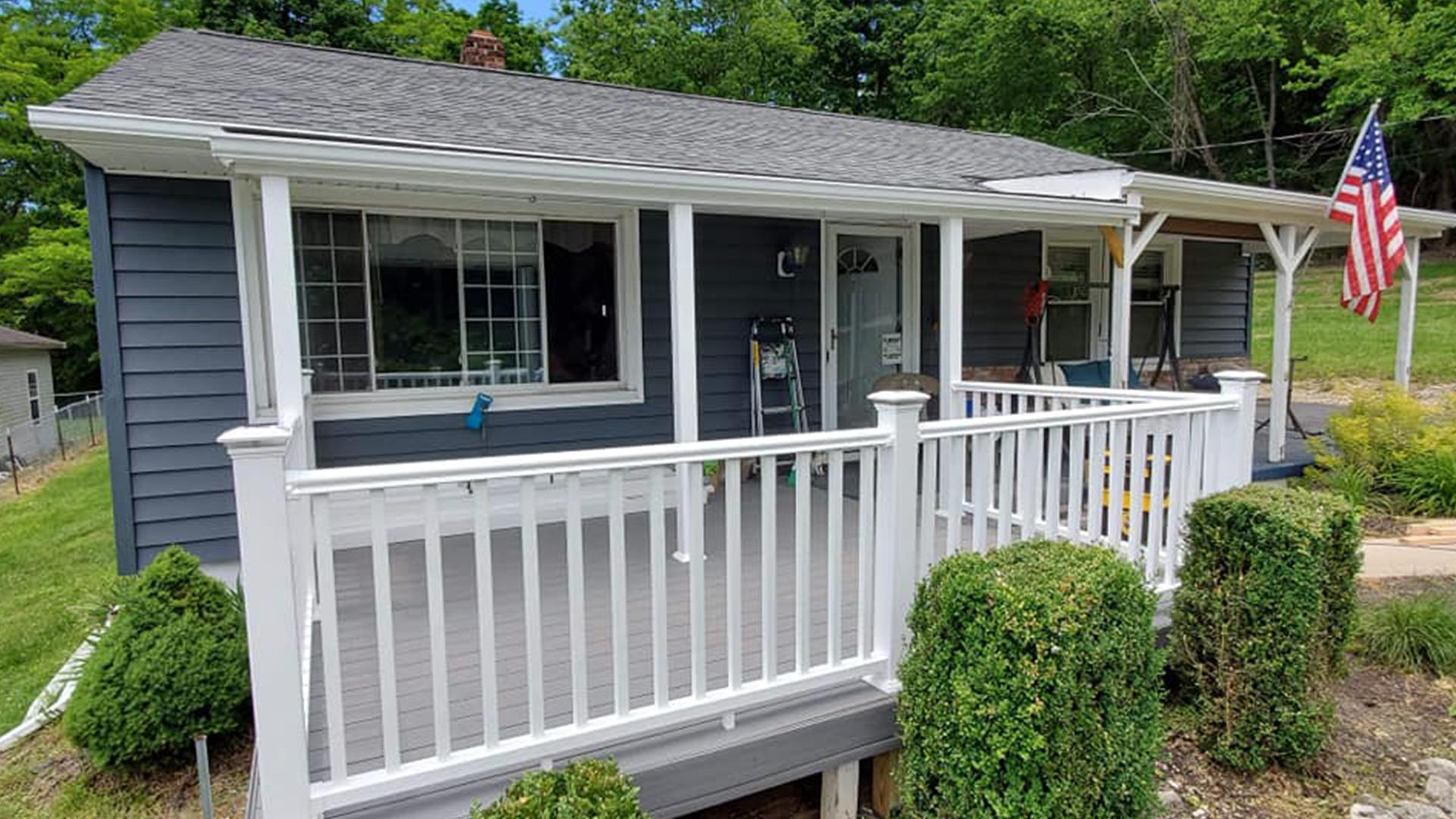
Why Building Your Deck to Code Matters: Common Safety Mistakes Homeowners Should Know
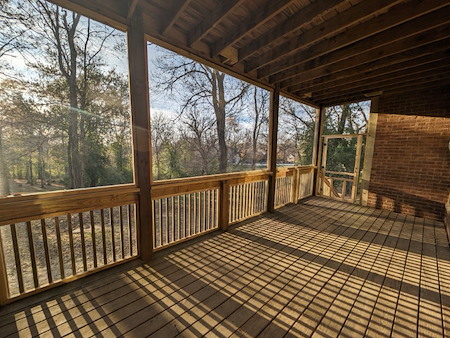
If you’re planning a new outdoor space in Lexington, KY, the most important part of your project is simple: build the deck to code. A safe, code-compliant design protects your family, passes inspection, and helps your home retain value. When you work with a trusted deck builder like Crosby Contracting, every choice from framing to railings is made with safety and longevity in mind.
What “Built to Code” Really Means
Residential building codes set minimum safety standards. They guide how a deck is supported, connected, and protected from moisture. Codes can vary by jurisdiction and are updated over time, so it pays to hire a pro who keeps up with local requirements in Fayette County and nearby communities like Nicholasville, Georgetown, Versailles, and Winchester.
In practical terms, “to code” covers the big items you can see and the small details you can’t: post sizes, secure connections, proper flashing at the house, safe railings and stairs, and footings designed for our Central Kentucky climate.
The Most Common Deck Safety Mistakes We See In Lexington
1) Attaching The Deck Ledger The Wrong Way
The ledger is the connector that ties your deck to the house. When it’s done wrong, the deck can pull away. The biggest red flag is trying to fasten a ledger to brick veneer or siding rather than structural framing. That approach can lead to water intrusion, rot, and in the worst cases, failure. Never attach a deck ledger to brick veneer. A qualified pro will detail the connection correctly and include proper flashing to keep water out.
2) Undersized or Improper Footers
Footers carry the weight of the whole structure into the ground. In the Bluegrass, freeze-thaw cycles and clay soils make footer design especially important. If footers are too shallow, not wide enough, or set on disturbed soil, the deck can heave or settle out of level. A professional will size and place footers to suit soil conditions and local inspection standards.
3) Using Nails Where Structural Screws or Connectors Belong
Nails are great for fastening decking boards, but critical connections often need stronger hardware. Use structural screws or approved connectors for beams, joists, and railing posts. These fasteners are engineered to resist shear and pull-out forces so your deck feels solid for the long haul.
4) Skipping Ledger Flashing and Waterproofing
Water finds the tiniest gaps. When rain gets behind the ledger, it can rot the rim joist inside the wall. That damage is expensive and invisible until it’s severe. A code-smart build includes continuous flashing and careful sealing at the house connection to prevent leaks.
5) Railing Height and Baluster Spacing That Don’t Protect People
Guardrails exist to prevent falls, especially on raised decks and stairs. While exact measurements can vary by jurisdiction, many areas follow standards that keep railings at safe heights and balusters close enough that a small sphere cannot pass through. Keep openings small enough to prevent a child’s head from slipping through. When in doubt, your contractor should verify the local standard before installing railings.
6) Posts Sitting On Concrete Slabs
Setting posts directly on top of a patio or slab is a common shortcut that can lead to shifting and instability. Proper practice is to anchor posts to concrete footings designed for the load and local freeze patterns. That way, the structure resists movement over time.
7) No Protection For Framing Tops
Water lingers on the top edges of joists and beams. Over years of Kentucky rain and summer humidity, that can speed up rot. Many pros add protective caps or tapes made for deck framing to shed water. Protecting the tops of joists helps your deck last longer and keeps fasteners from loosening as wood swells and shrinks.
Local Context: Why It Matters In Lexington, KY
From Hamburg to Masterson Station and Chevy Chase to Beaumont, homeowners face the same regional challenges: heavy spring rains, humid summers, and occasional cold snaps. A code-compliant design accounts for these conditions with the right footings, connectors, and moisture control. If your home backs up to a slope or you want a multi-level deck for entertaining, your structure needs careful planning for loads and lateral bracing. That’s where experienced local crews make a difference.
Signs Your Existing Deck May Not Meet Today’s Standards
- Ledger attached over siding or directly to brick without visible flashing
- Wobbly railings or posts fastened with light-duty screws or nails
- Posts resting on a slab rather than anchored to dedicated footings
- Wide gaps between balusters that don’t look child-safe
- Uneven or bouncy decking that hints at undersized framing
If you notice one or more of these, schedule a professional assessment. An expert can help you decide whether repairs will bring the deck up to standard or if a rebuild makes more sense for long-term safety.
Materials, Maintenance, And Safety Go Hand In Hand
Choosing between wood and composite affects not only upkeep but also safety over time. Composite decking resists rot and splinters, while wood can be a great option when maintained on schedule. For a deeper look at performance differences, read our article on composite vs. wood decking. Whatever you pick, a code-smart structure underneath is what keeps people safe.
Don’t Gamble With Railing And Stair Details
Railings and stairs are where most injuries happen. A good builder will check local standards for guardrail height, baluster spacing, graspable handrails on stairs, and secure post-to-frame connections. These checks are especially important for elevated decks in neighborhoods like Tates Creek or Andover, where backyard grade changes can add height fast.
Why DIY Shortcuts Cost More Later
Decks look straightforward, but the structural details add up. Skipping permits, using the wrong fasteners, or reusing old footers can invite moisture damage, movement, and failed inspections. Those fixes are rarely simple. When you hire a pro, you get plans that align with local expectations, documentation for resale, and a safer outdoor space from day one.
How Crosby Contracting Builds Safer Custom Decks
- Site-first planning that considers soil, drainage, and how your family will use the space
- Framing connections with structural fasteners and code-approved hardware
- Ledger detailing with continuous flashing to help prevent hidden rot
- Railing and stair systems designed to meet local safety standards
- Material guidance for Lexington’s climate and your maintenance goals
If you’re upgrading a weathered platform or starting fresh with a larger layout, our team takes care of the structural details so your deck feels solid season after season. You can also explore how our pressure washing service supports safe, longer-lasting surfaces between refinishing cycles.
When To Repair Versus Rebuild
Some issues have simple fixes. For example, a wobbly handrail may just need a stronger post connection. Others point to deeper problems. Significant rot at the ledger, settling posts, or widespread framing decay often means a rebuild is the safer and more economical path. A thorough evaluation will give you clear options and a realistic timeline.
Plan Ahead For Your Lexington Project
Spring and early summer are busy times for outdoor work in Lexington. If you want a new gathering spot ready for Derby parties or late-summer cookouts, it helps to start design and approvals early. That way your project moves smoothly and your deck is ready when your family wants it most.
Ready To Build It Right?
Start your project with a partner who treats safety as non-negotiable. Visit our page on custom decks to see how Crosby Contracting plans, builds, and details decks to meet local standards. For broader remodeling inspiration, you can also explore the rest of our site beginning at deck built to code in Lexington, KY and see how our team supports whole-home upgrades that last.
Let’s Talk About Your Backyard
Tell us how you want to use your space, and we’ll bring a code-smart plan that fits your home, your routine, and Central Kentucky weather. Reach our team at 859-462-0907 or get started on a new deck designed to meet code and built for years of safe, easy living.
OUR LATEST PROJECTS
DIY Master Bathroom Turned Modern Chic in Richmond, KY
This master bathroom was full of 20 year-old DIY landmines from a previous owner, from poor electric routing and planning to shower tile installed directly to the sub-floor. First, we gutted the bathroom to the studs and sub-floor to start from scratch. Then we expanded the […]
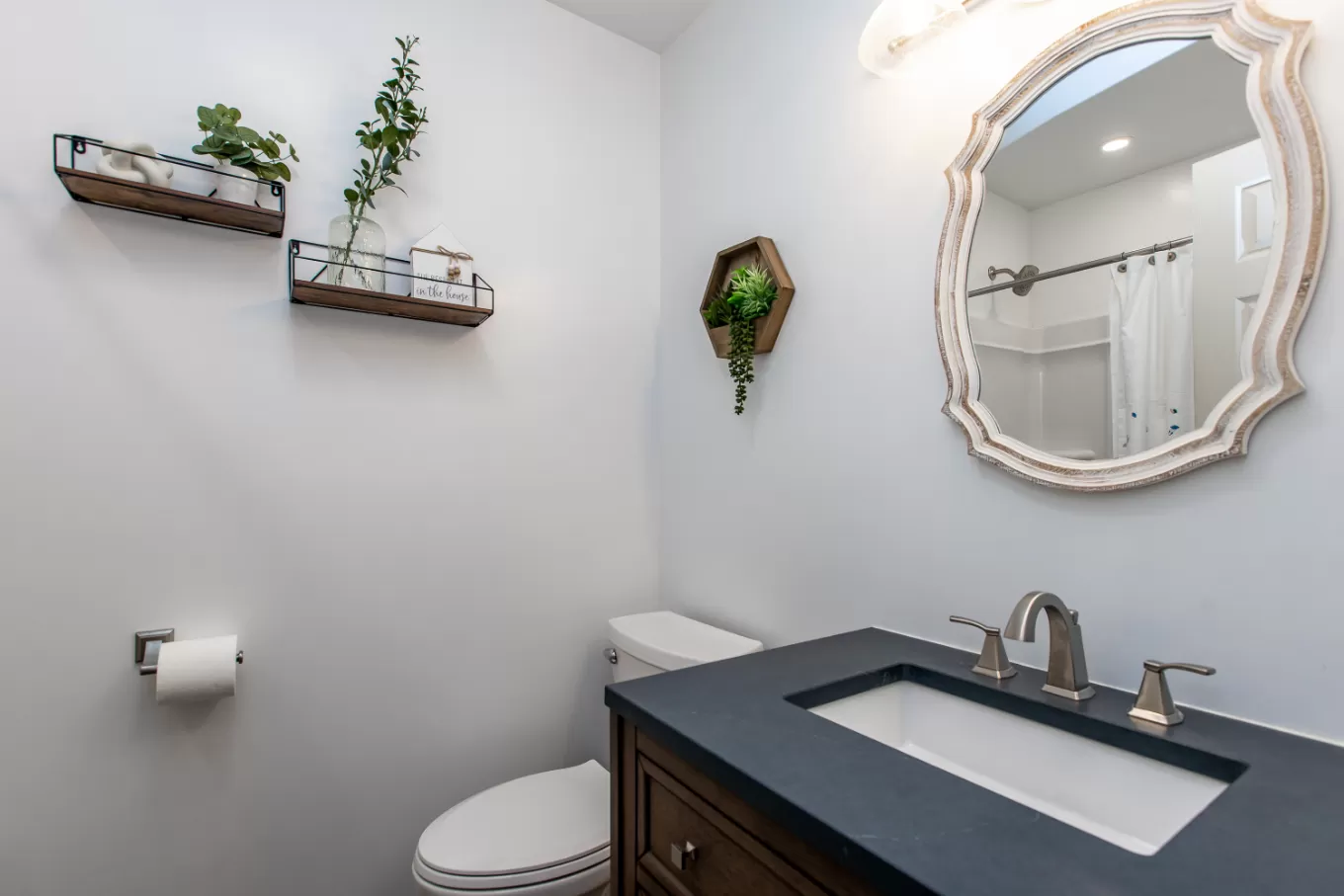
Small But Mighty Hallway Bathroom Remodel in Berea, KY
This small hallway bathroom got a desperately needed remodel. All of the drywall on the walls and ceiling was replaced with mold/mildew resistant drywall. The shower soffit was removed to open up the shower area and to make the bathroom feel a little bigger. The old […]
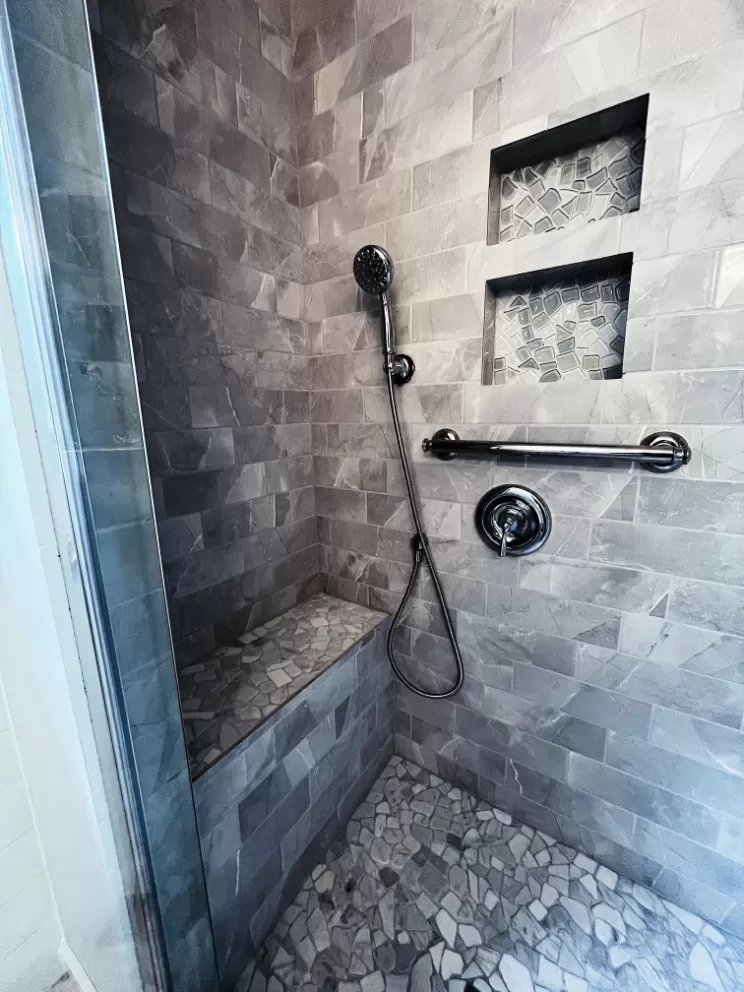
New Shower Makes Life Easier for Elderly Couple in Richmond, KY
This shower remodel was completed to provide safer and easier shower access for an elderly couple. The cast iron tub was removed and a curbless shower was installed with a roomy bench seat, several grab bars, and shelves. An extra handheld shower head was added near […]
LATEST ARTICLES
-
When Is Basement Finishing Worth the Investment for Your Home?
If you are weighing whether to invest in basement finishing in Lexington, KY, start by looking at how your family lives today and how you plan to use your home in the next five to ten years. When the space solves real needs, supports resale, and […]
-
How Can Kitchen Remodeling Improve Function Without Sacrificing Style?
If you cook, host, or just want an easier morning routine, a smart kitchen remodel can add real function without giving up the look you love. Families in Lexington want better flow, more storage, and durable finishes that still feel warm and welcoming. This guide shows […]